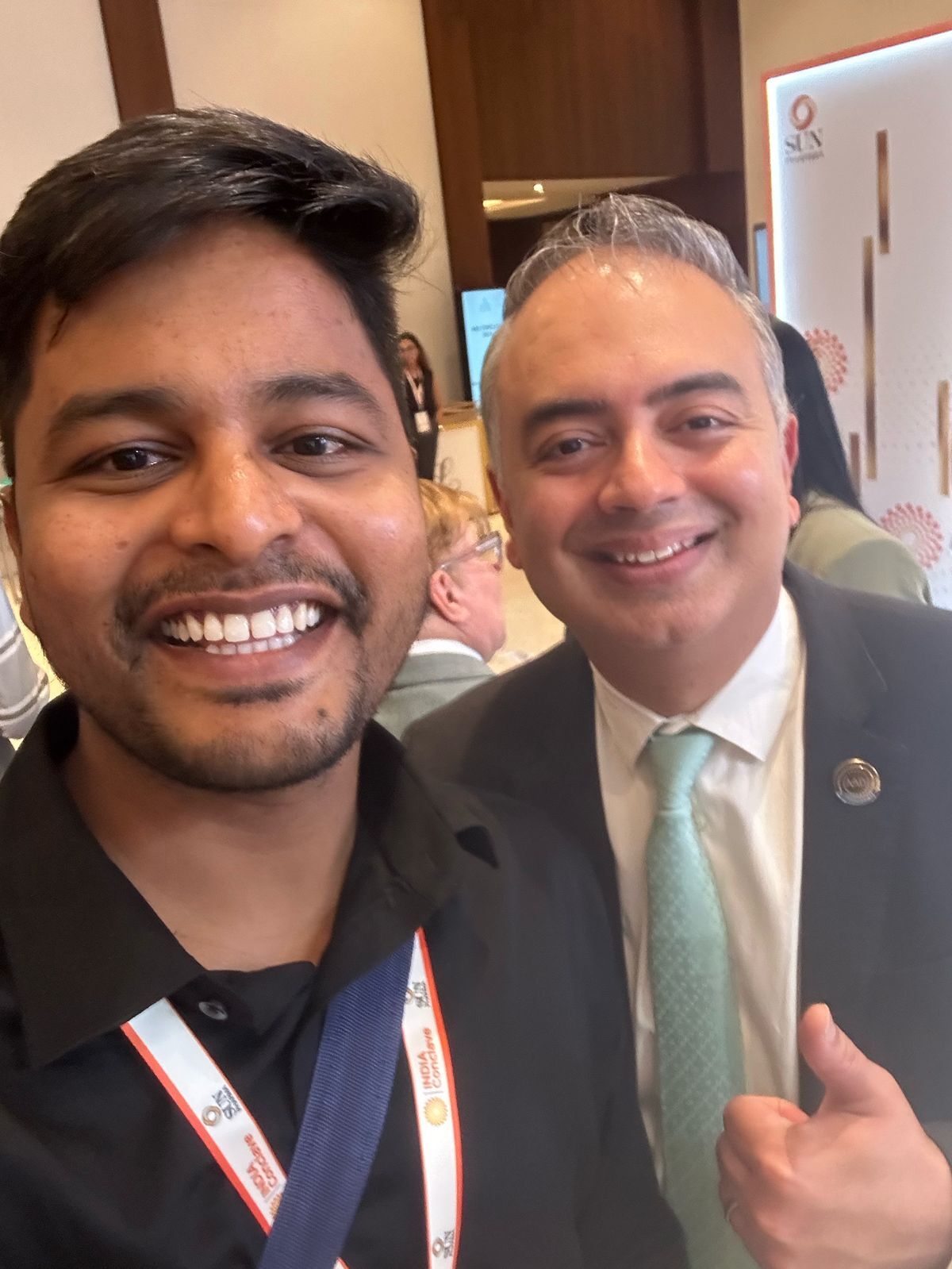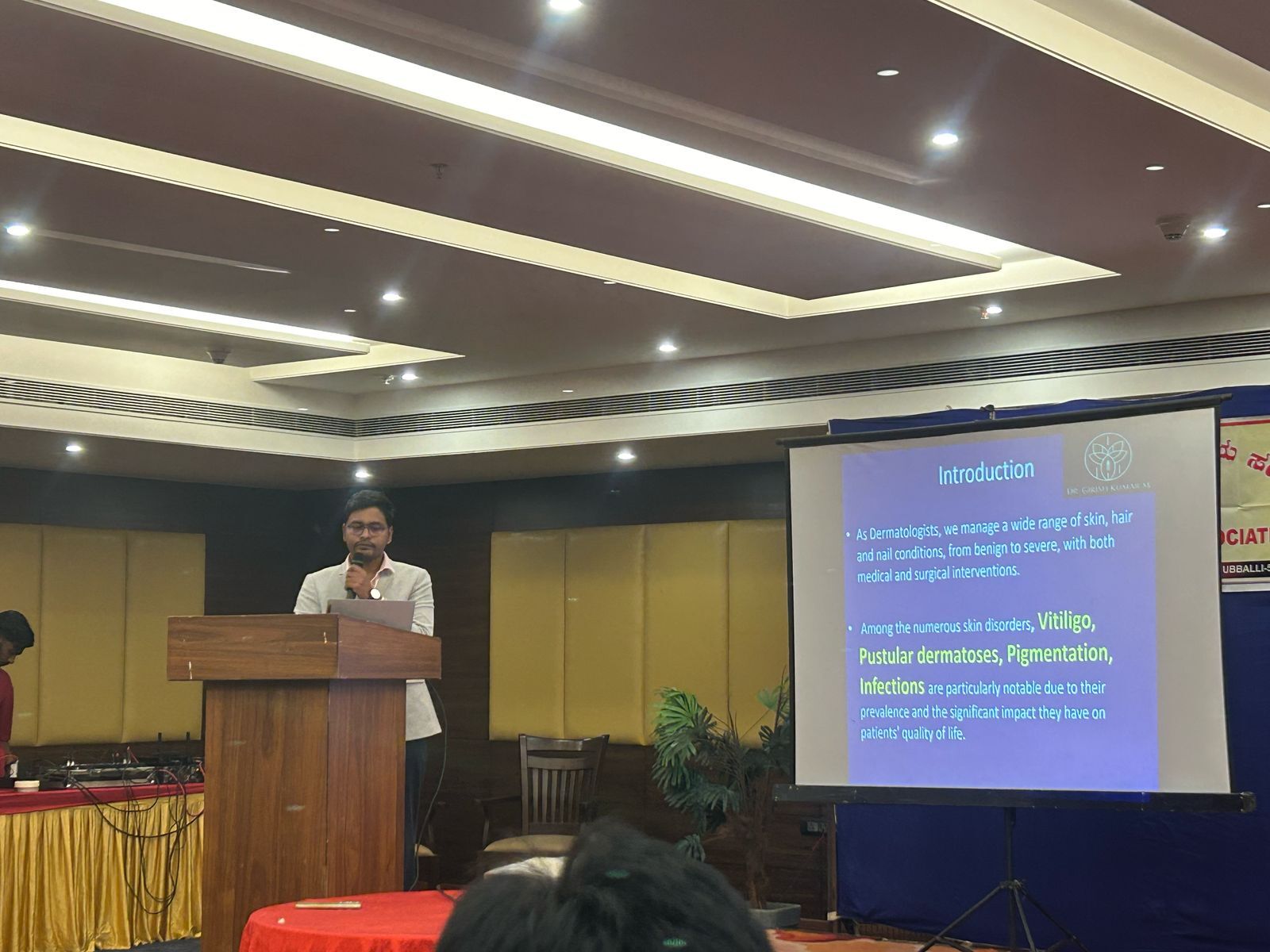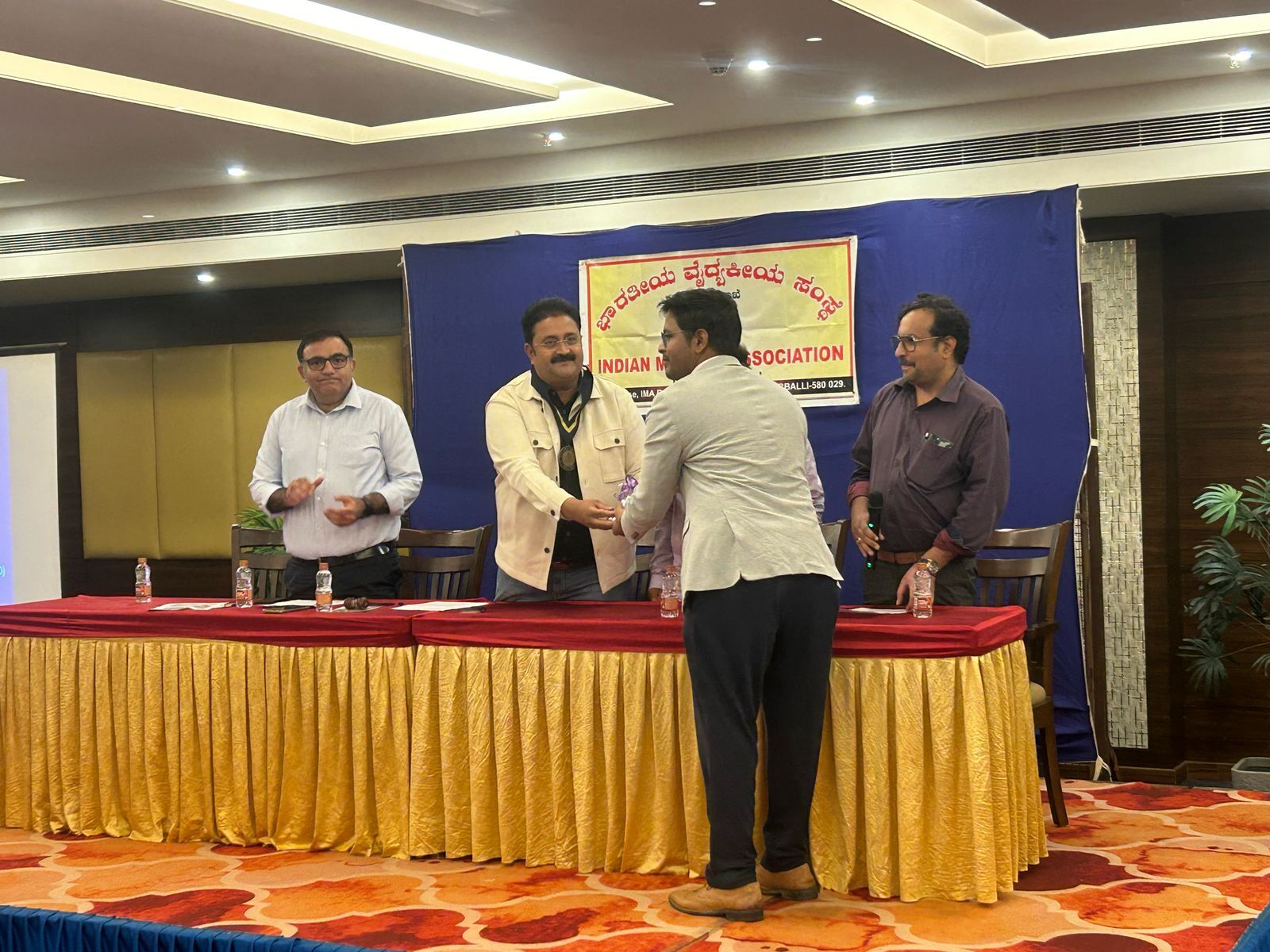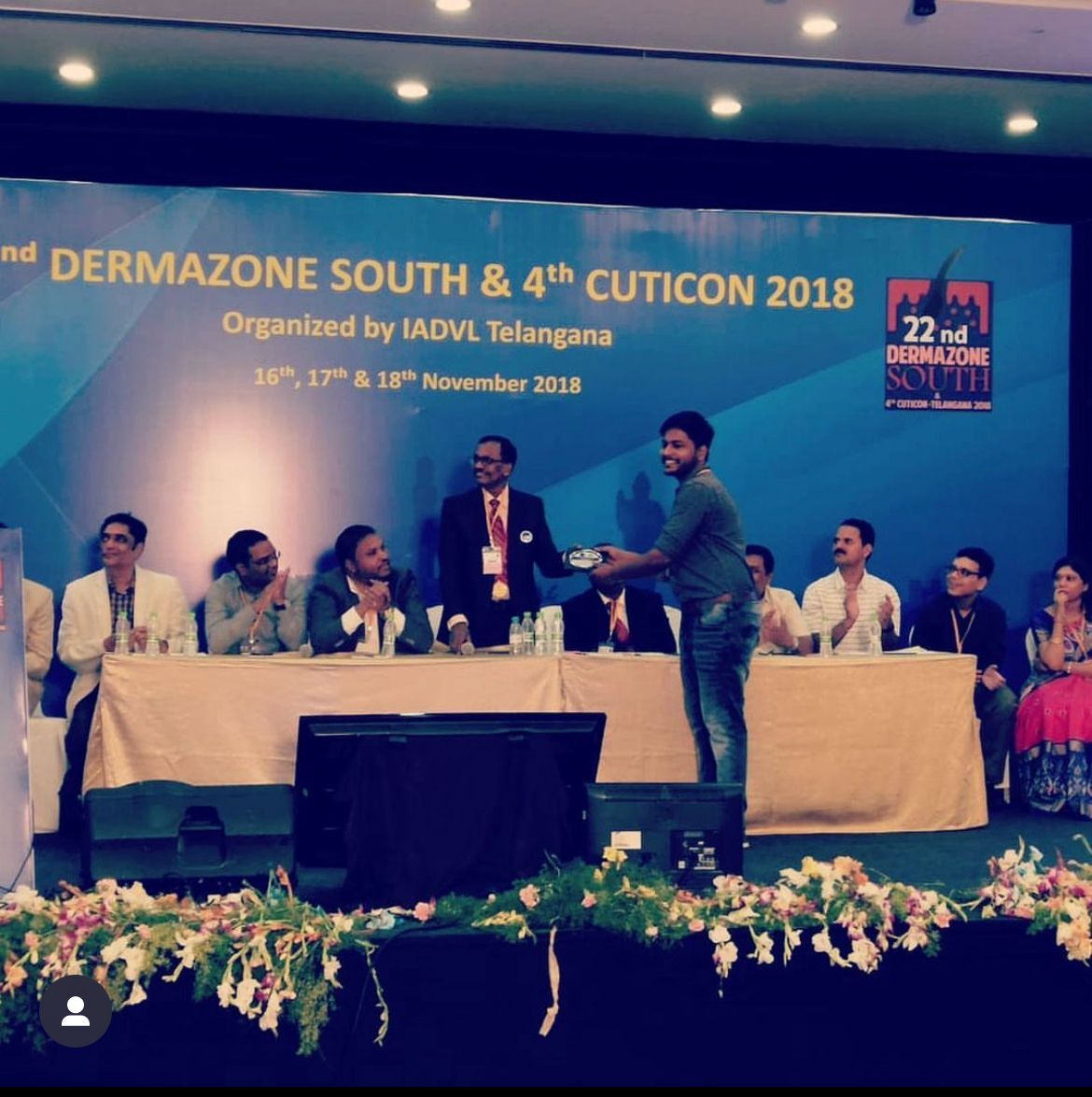



At G Square Skin & Aesthetics, we believe that educating the public is just as important as treating disease. We are delighted to share that Dr. Girish Kumar M. Chalawadi, MBBS, MD (Dermatology), was invited as the expert speaker on the "All About Skin Wellbeing" Facebook Live programme, where he delivered an informative session on one of the most common skin conditions encountered in clinical practice—fungal infections.
The session focused on dispelling myths, explaining the science behind fungal infections, and providing practical guidance on prevention and treatment. With fungal infections becoming increasingly common across India, Dr. Girish emphasized the importance of early diagnosis, appropriate treatment, and avoiding self-medication.
Understanding Fungal Infections
Fungal infections, medically known as dermatophytosis or tinea infections, are caused by fungi that feed on keratin, a protein found in the skin, hair, and nails. These fungi thrive in warm, humid environments, making countries like India particularly susceptible to their spread.
Although fungal infections are rarely life-threatening, they can significantly affect a person's quality of life due to persistent itching, discomfort, cosmetic concerns, and frequent recurrences.
Common Types of Fungal Infections
During the session, Dr. Girish explained the different types of fungal infections commonly seen in dermatology practice.
Tinea Corporis (Ringworm)
This is the most familiar form of fungal infection. It appears as circular or ring-shaped red patches with raised, scaly borders and central clearing. These lesions are usually itchy and gradually increase in size if left untreated.
Tinea Cruris (Jock Itch)
Commonly affecting the groin and inner thighs, this condition is especially prevalent among individuals who sweat excessively or wear tight-fitting clothing.
Tinea Pedis (Athlete's Foot)
Athlete's foot usually affects the spaces between the toes and may present with itching, peeling skin, cracks, burning sensation, or foul odor.
Tinea Capitis
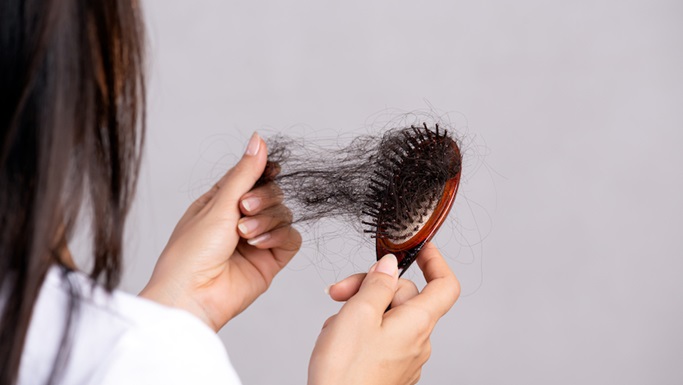
This fungal infection involves the scalp and is more commonly seen in children. It may cause scaling, hair loss, black dots on the scalp, and occasionally painful swelling.
Onychomycosis (Nail Fungus)
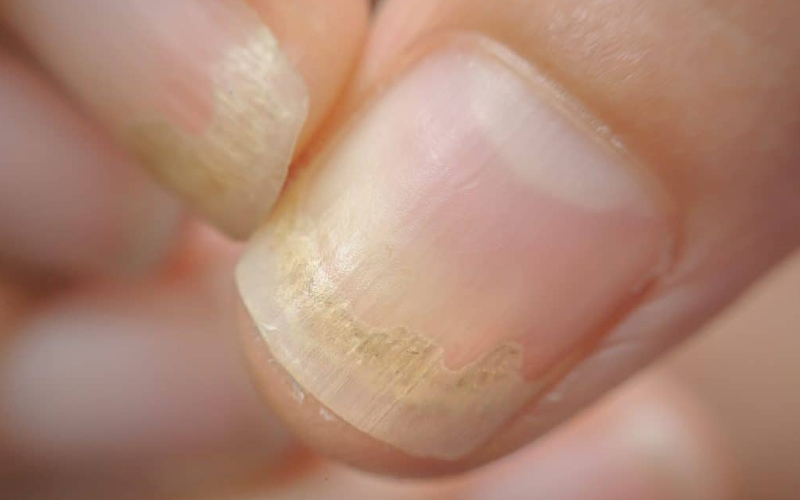
Fungal nail infections lead to thickened, brittle, yellowish or discolored nails that may become difficult to trim and can persist for months without appropriate treatment.
Why Are Fungal Infections Increasing?
One of the key topics discussed during the programme was the rising incidence of recurrent fungal infections in India.
Several factors contribute to this trend:
Hot and humid climate
Excessive sweating
Wearing tight or non-breathable clothing
Poor personal hygiene
Sharing towels, clothing, or footwear
Diabetes and reduced immunity
Incomplete treatment
Widespread misuse of steroid-containing creams
Dr. Girish particularly highlighted the growing problem of self-medication. Many over-the-counter creams contain a combination of steroids, antifungals, and antibiotics. While these creams may temporarily reduce redness and itching, they often suppress the body's natural response, allowing the fungal infection to spread deeper and become more resistant to treatment.
Symptoms That Should Not Be Ignored
Fungal infections can present with a variety of symptoms, including:
Persistent itching
Circular or irregular red patches
Scaling and peeling skin
Burning sensation
Darkening or discoloration of the affected area
Cracked skin
Thickened or brittle nails
Hair loss in scalp infections
Persistent or recurrent symptoms should always be evaluated by a qualified dermatologist.
How Are Fungal Infections Diagnosed?
Although many fungal infections have a characteristic appearance, not every itchy rash is caused by a fungus. Conditions such as eczema, psoriasis, contact dermatitis, and certain bacterial infections can closely resemble fungal infections.
An experienced dermatologist can usually diagnose fungal infections through a careful clinical examination. In selected cases, skin scrapings or laboratory tests may be performed to confirm the diagnosis before initiating treatment.
Treatment: More Than Just Applying a Cream
Dr. Girish emphasized that successful treatment requires more than simply applying an antifungal cream.
Treatment may involve:
Prescription topical antifungal medications
Oral antifungal medicines for extensive or recurrent infections
Treatment of infected family members when appropriate
Strict adherence to the prescribed duration of therapy
Lifestyle modifications to prevent reinfection
Stopping medication as soon as symptoms improve is one of the most common reasons for recurrence. Even after the itching subsides, fungal organisms may still be present, making it essential to complete the full course of treatment.
Preventing Fungal Infections
Simple preventive measures can significantly reduce the risk of infection:
Keep the skin clean and dry.
Bathe regularly, especially after excessive sweating.
Dry skin folds thoroughly after bathing.
Wear loose-fitting cotton clothing.
Change sweaty clothes promptly.
Avoid sharing towels, socks, footwear, or personal hygiene items.
Wear footwear in public showers and swimming pool areas.
Avoid using steroid-containing creams without medical advice.
Key Takeaway from the Session
The central message of Dr. Girish's talk was clear:
Fungal infections are highly treatable, but only when they are correctly diagnosed and managed with appropriate medical care. Delayed treatment and self-medication often lead to chronic, recurrent infections that become increasingly difficult to cure.
Public education plays a crucial role in reducing misconceptions surrounding fungal infections, encouraging timely consultation with dermatologists, and promoting healthy skin practices.
A Commitment to Community Education
Dr. Girish Kumar M. Chalawadi's invitation to speak on the All About Skin Wellbeing Facebook Live programme reflects his commitment to promoting skin health beyond the clinic. By sharing evidence-based medical knowledge with the public, he continues to raise awareness about common dermatological conditions and the importance of seeking qualified medical care.
At G Square Skin & Aesthetics, our mission extends beyond treatment—we strive to empower patients with knowledge that helps them make informed decisions about their skin health. Through community outreach and educational initiatives like this, we remain dedicated to improving awareness and encouraging healthier lives.
📞 Book Your Consultation Today
Persistent skin ulcers, unexplained skin lesions, chronic itching, pigmentation changes, hair loss, or recurrent skin conditions should never be ignored.
Early diagnosis can make all the difference.
📞 Call / WhatsApp: +91 91106 10004
📍 Visit: G Square Skin, Hair & Plastic Surgery Clinic, Hubli
🌐 Website: www.gsquareskinandaesthetics.in
👨⚕️ Consult with Dr. Girishkumar M. Chalawadi
Get expert dermatological evaluation and personalized treatment for complex skin, hair, and scalp conditions.